
With the rise of high-quality SSL plugins, many engineers wonder if they can replicate the experience of using the real SSL 9000. In this article, we’ll compare the hardware and plugin versions to see if the software can measure up, focusing on SSL 9000 vs plugin emulations, SSL 9000 plugin sound quality, and SSL 9000 plugin features.
The SSL 9000 plugin sound quality offers excellent emulation of analog warmth and dynamic control, but it doesn’t fully replicate the depth and headroom of the real console. When you’re working on the real SSL 9000, the tactile feedback and analog response make a noticeable difference, especially in terms of compression and EQ precision. This is where the comparison of SSL 9000 vs plugin emulations becomes clear, and many SSL 9000 reviews highlight this distinction. Just as choosing a bright mic can bring clarity and sparkle to a vocal recording, using the actual SSL 9000 console delivers a unique openness and depth that plugins can only approximate, providing unmatched presence in professional studio settings.

The SSL 9000 plugin does an impressive job of emulating the analog warmth and character of the original console. SSL 9000 plugin features like THD control, bandwidth flexibility, and saturation capture much of what makes the hardware so recognizable. Still, the SSL 9000 plugin sound quality cannot fully match the real SSL 9000 J, which maintains superior clarity, depth, and headroom, giving EQ and compression a level of detail that plugins cannot completely match.
The plugin’s EQ is effective at shaping sound, and the bandwidth controls provide solid flexibility. This allows for detailed adjustments that get close to the precision of the hardware. However, EQ moves on the SSL 9000 J feel more musical and accurate, with the console delivering a clarity that software cannot fully replicate. For many engineers comparing SSL 9000 vs plugin emulations, this difference is a deciding factor.
When compared to other SSL emulations, the SSL 9000 J still stands out in both SSL 9000 plugin features and overall sonic character. Plugins emulate analog warmth well, but they cannot match the hardware’s depth, clarity, and headroom. The SSL 9000 J delivers more natural compression, more precise EQ, and a richer analog texture. While plugins provide useful SSL 9000 plugin features and strong flexibility, the console remains the benchmark for engineers seeking maximum SSL 9000 plugin sound quality.
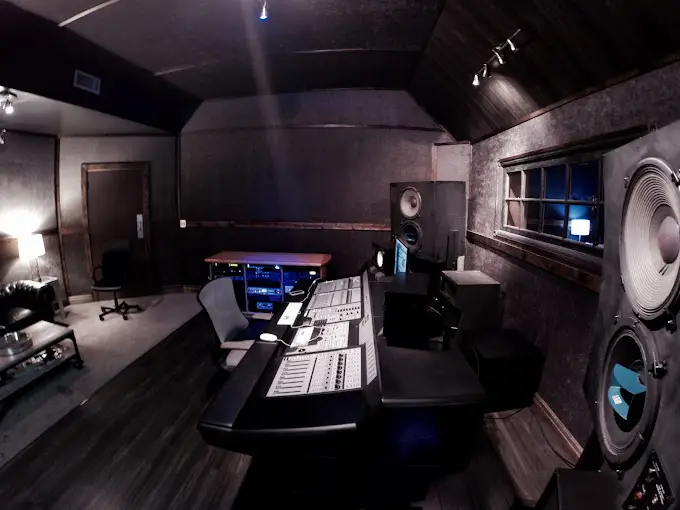
When compared to other SSL emulations, the SSL 9000 J still stands out in both SSL 9000 plugin features and overall sonic character. Plugins emulate analog warmth well, but they cannot match the hardware’s depth, clarity, and headroom. The SSL 9000 J delivers more natural compression, more precise EQ, and a richer analog texture. While plugins provide useful SSL 9000 plugin features and strong flexibility, the console remains the benchmark for engineers seeking maximum SSL 9000 plugin sound quality.
One of the plugin’s biggest strengths is its CPU efficiency. You can run multiple instances in large sessions without taxing your system, which makes it an excellent choice for home studios or budget-conscious engineers. While it may not reproduce the analog depth of the real console, its efficiency ensures that the SSL sound can be applied across entire mixes with ease. This balance between SSL 9000 plugin features, SSL 9000 plugin sound quality, and workflow is what makes the debate around SSL 9000 vs plugin emulations so relevant today.